



The French heritage house Hermès, renowned for its high-end leather goods, offers two of the most coveted and exclusive handbags of all time with its Kelly and Birkin models. Hermès is not only exceptionally iconic, but also one of the true leather experts thanks to its long company history.Anyone considering buying a Hermès Bag should also pay attention to the different leather types used for the bags. Significant price differences are possible, and colour choice matters too. Classic colours such as blue, brown and black are probably the most sought after and therefore tend to command a slightly higher price than more unusual shades. The list of Hermès leathers is long, so we have compiled the best-known leather varieties for you and hope to help you find your dream bag!
A. Smooth Hermès leathers:
1. Hermès Boxcalf leather:
Hermès Box calf leather is one of the original leathers of the Hermès house. This leather has a beautiful sheen and is fairly structured. Older bags were often made from this leather, and even today many Hermès Kelly bags in this popular material are still in circulation. However, it is now discontinued and was first replaced by the leather variant known as “Gulliver”. Since production of that leather ended, Hermès has had a worthy successor in the so-called “Swift” leather. Box calf leather is one of the more delicate leather types and benefits from regular care and gentle handling. The leather is considered relatively prone to water stains and should preferably be carried in dry weather. Scratches also appear on this leather quickly, so bags made from Box calf leather should be handled with care to ensure long-lasting durability. Despite this, Hermès bags in Boxcalf leather remain highly sought after because of their look.


2. Hermès Swift Leather:
The successor to the well-known and much-loved Box calf leather also impresses with a refined sheen. Visually, Hermès Swift Leather is very similar to its predecessor. Bags in Swift leather convey a classic look, but should still be worn with care, as like Box calf leather they are quite susceptible to water marks, scratches and other damage. This sensitivity to external influences is offset by the leather's elegant appearance, which has made it one of the House's most popular leathers. Swift leather absorbs colour exceptionally well during the dyeing process. Those looking for a Bag in a vivid colour may therefore consider a Bag in Swift leather. The range of colours available for this leather is unmatched. Under the name Gulliver, the leather was previously offered by Hermès, although only until 1999. Since 2005, the leather has once again been available as Swift leather. By the way, Gulliver, Swift and also Jonathan leather, available since 2018, are named in honour of the writer Jonathan Swift (1667-1745), author of "Gulliver's Travels".


3. Hermès Evercolor Leather:
Hermès Evercolor Leather has been offered by Hermès since 2013. During the manufacturing process, the leather is pressed, giving it a fairly soft hand and a subtle sheen with a fine grain. Thanks to the pressing process, the leather has proven to be quite shape-retaining and is considered one of the more robust options. Originally used only for small leather goods, it is now also featured on classics such as the Kelly, Constance and Lindy lines in Evercolor leather.


B. Grained Hermès Leather:
1. Hermès Togo Leather:
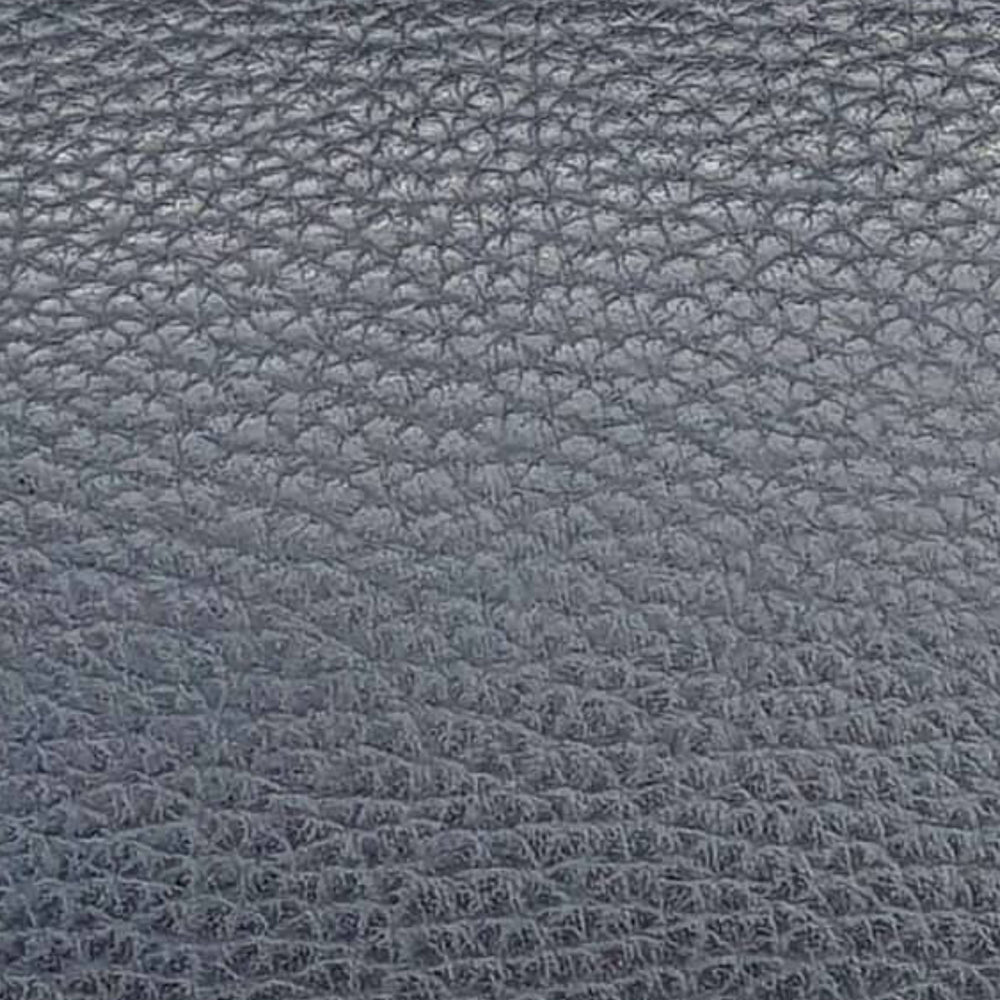
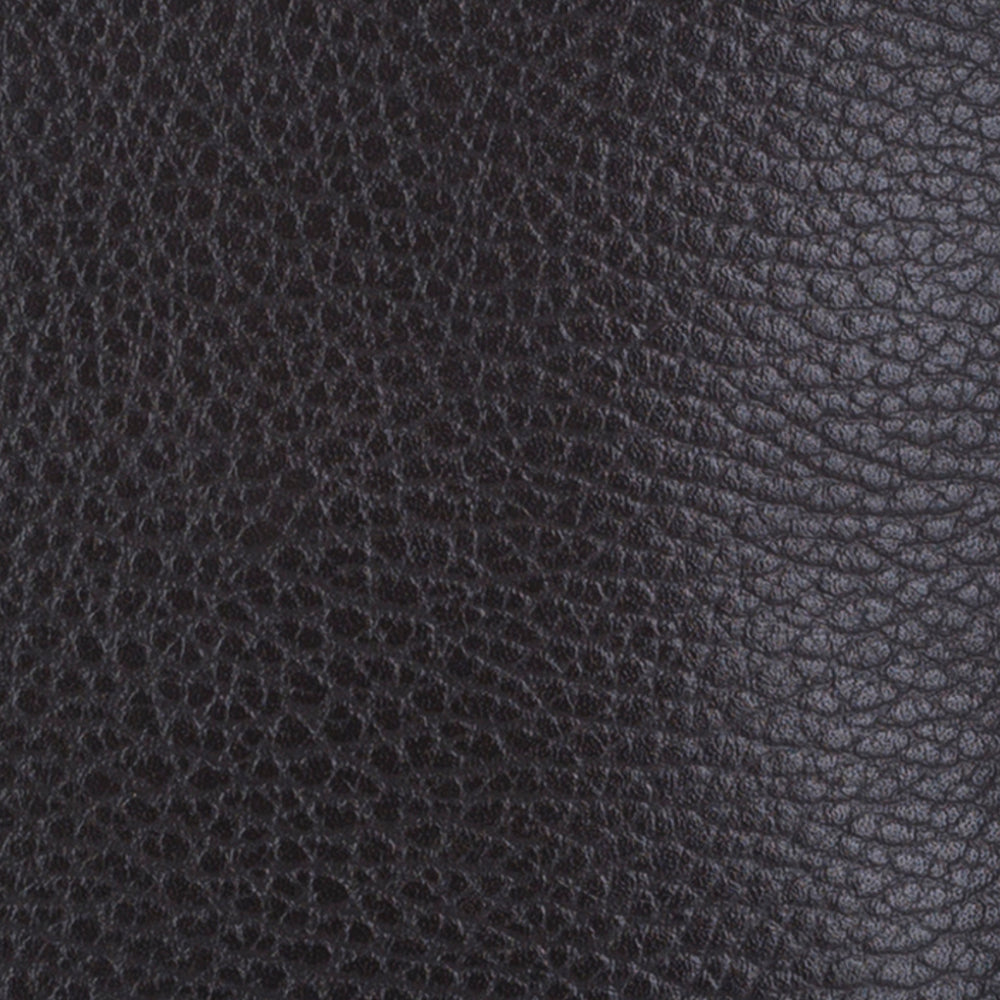
Hermès Togo Leather is one of the house’s most popular leathers and has been offered by Hermès since 1997. Around half of all Hermès Birkins are said to have been made from this leather over the years. The calf leather is distinguished by its natural grained texture and matte finish. The leather retains its shape even after years of use, while the matte appearance often develops into a soft sheen over time. Thanks to its texture, the leather is also relatively scratch-resistant. It is considered quite durable, and any stains do not immediately penetrate the leather and can usually be removed well with a damp cloth. For this reason, Togo leather is often the choice for those who want to travel frequently with a Bag. An absolute house classic.

2. Hermès Clemence Leather:
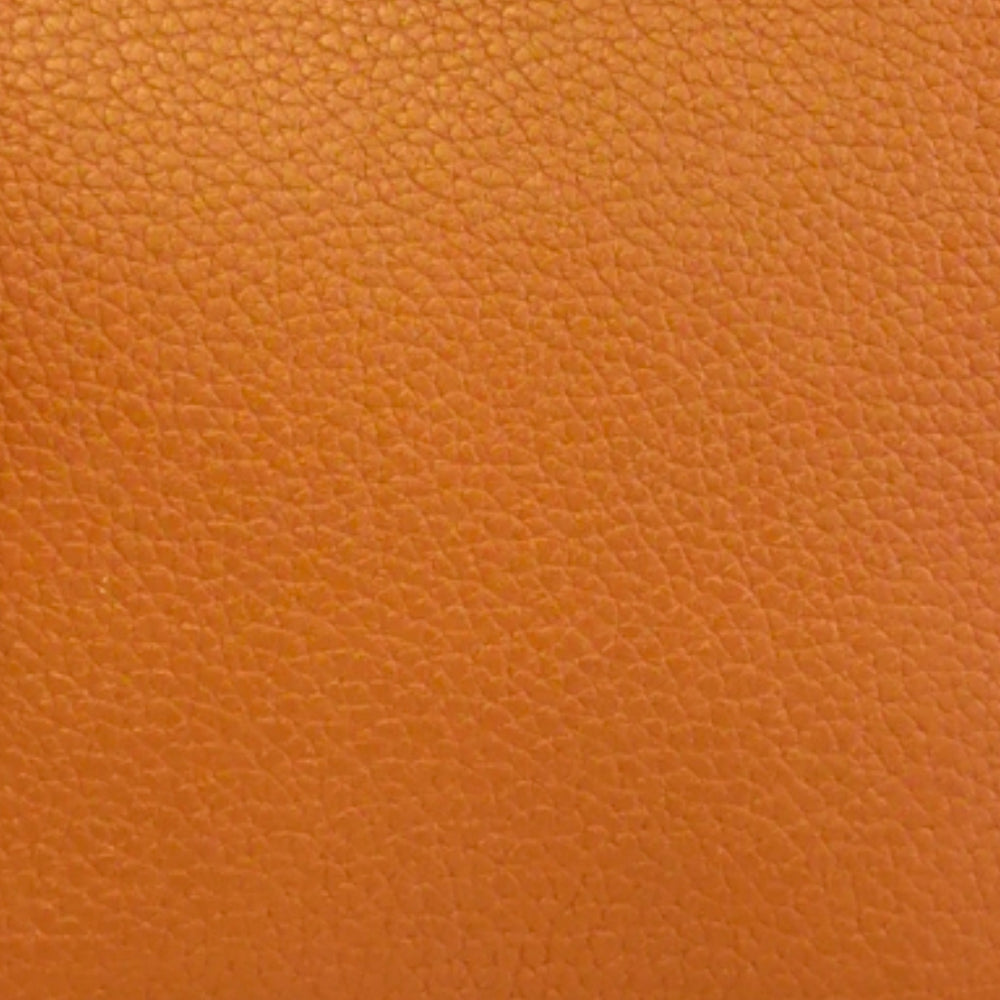
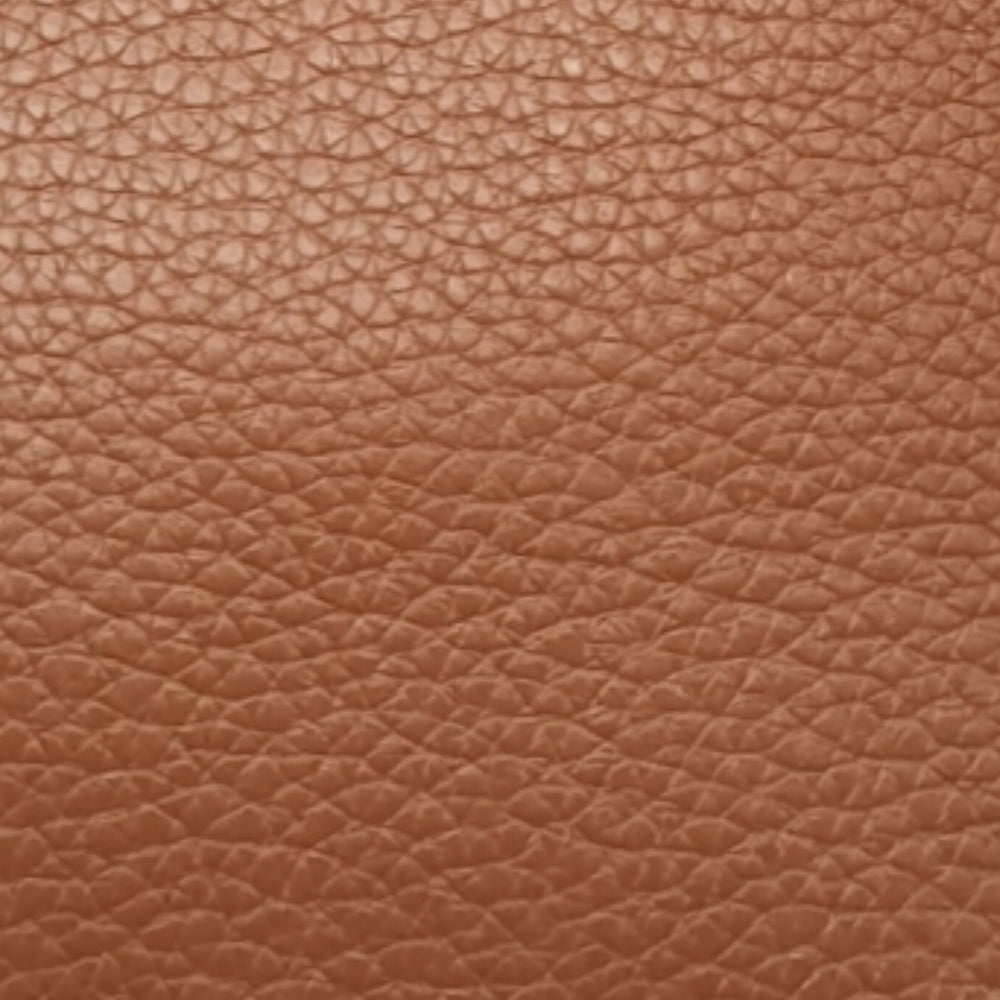
Since the late 1980s, Hermès has offered another popular leather, Taurillon Clemence leather, which remains highly sought after today. This leather is distinguished by its soft touch and gentle sheen. During production, the leather is tumbled and pressed, which gives it its particularly supple feel as well as its characteristic grain. It is considered scratch-resistant, although moisture leaves visible marks on the surface. Due to the manufacturing process, bags have less shape retention than, for example, the smooth, rather firm Boxcalf leather. Over time, the leather tends to become even softer. Bags made from Clemence leather should not be overfilled, as this can permanently affect the shape of the Bag and lead to unwanted deformation. If corner repairs are ever needed, the leather provides an excellent base for skilled restoration work. Today, the leather is simply known as Clemence leather. Compared with Togo leather, Clemence is somewhat smoother, but the grain is slightly larger and shows no veins.
3. Hermès Epsom Leather:
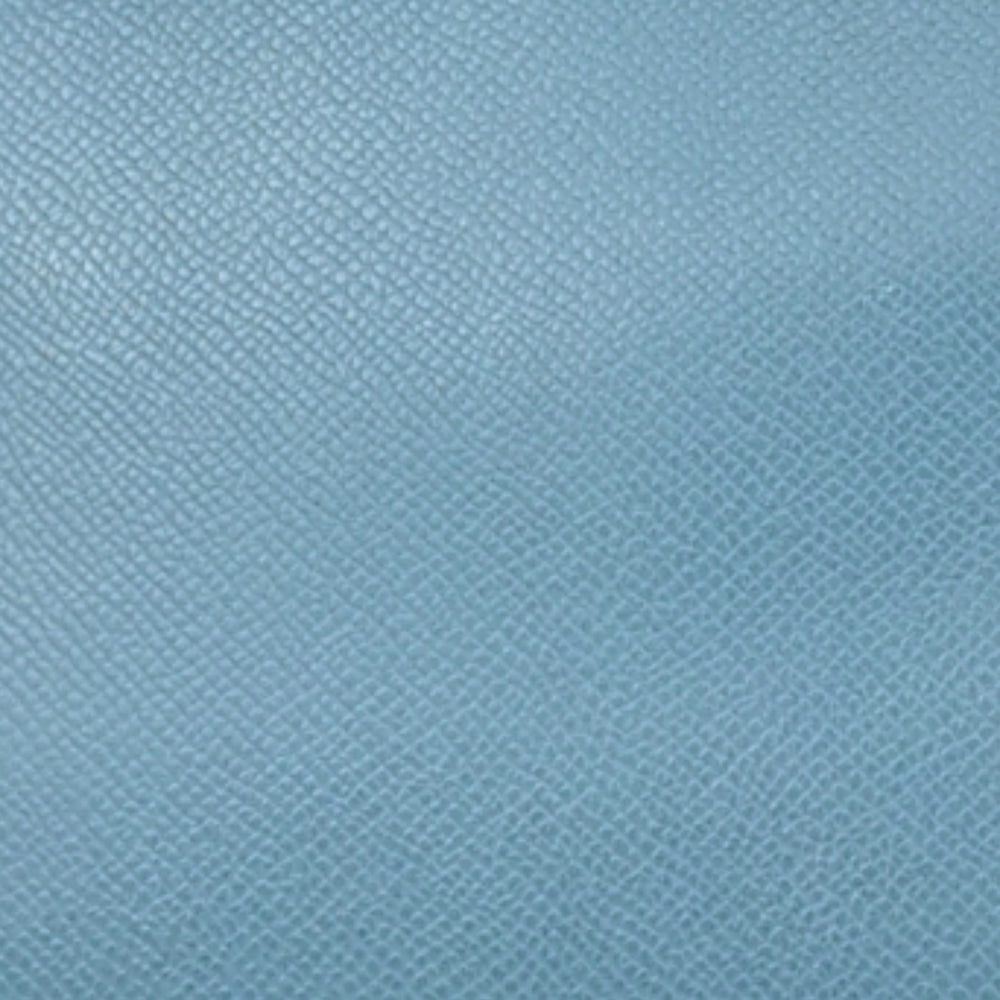
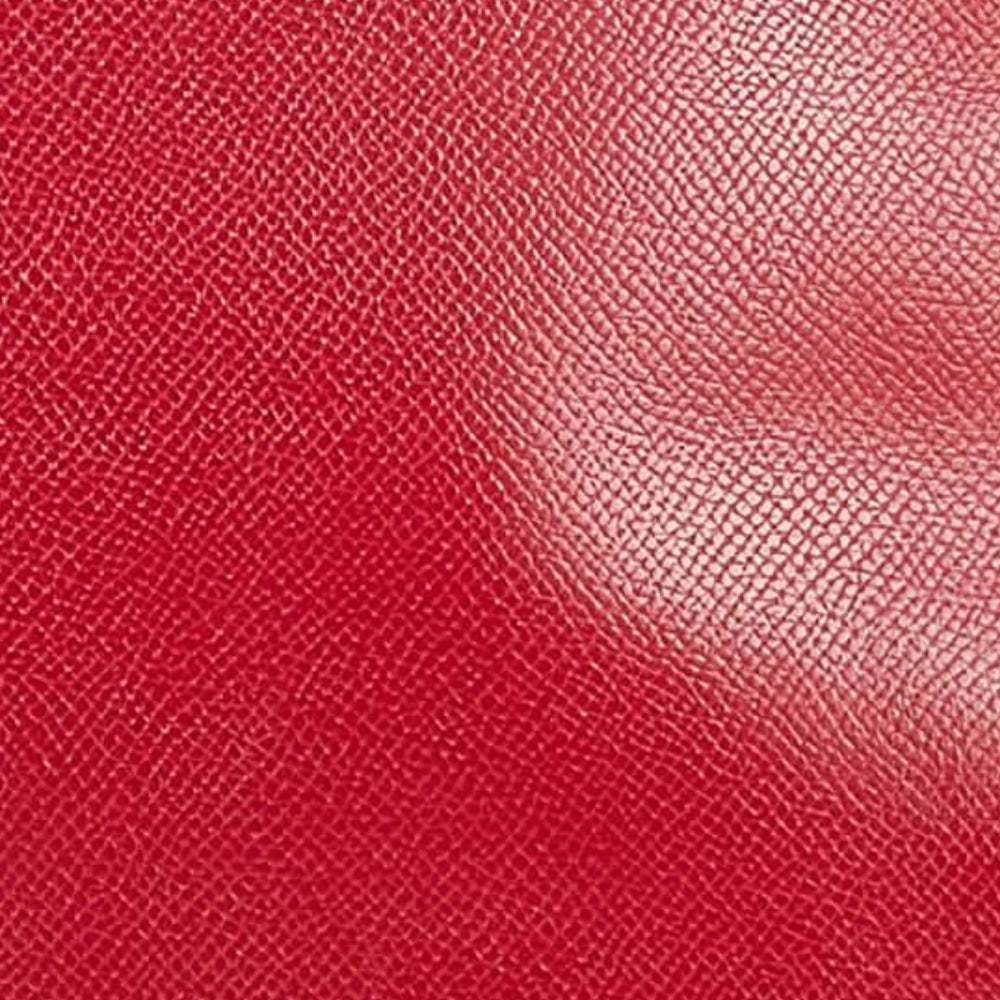
Hermès Epsom leather is another popular Hermès leather, appreciated for its distinctive texture. Introduced in 2004, it replaced the much-loved Courchevel leather at the time. Unlike other leather types, its fine grain is the result of an embossing process rather than a natural one. It has a delicate, firm cross-hatched grain. The leather is known for its excellent shape retention. It is also considered scratch-resistant and water-repellent. In addition, it is valued for its light weight, making bags almost featherlight. Thanks to its durability, it is an ideal leather choice for everyday use. A damp cloth is usually enough to remove stains. To this day, Epsom leather is often used for Kelly and Birkin bags in the Sellier style.

4. Hermès Courchevel leather:
Like the popular Epsom leather, Hermès Courchevel leather also has a very uniform grain. This lightweight leather also has a subtle sheen and is quite resistant to external influences and damage. This leather variety has been out of production since the turn of the millennium. It was still used for accessories until 2004, and Epsom leather is often mentioned as its successor due to the similar characteristics. Both Epsom and Courchevel leather have a fairly smooth surface, making them easier to clean than some other leathers. Courchevel leather also achieved its texture through embossing processes during finishing.

5. Hermès Fjord leather:
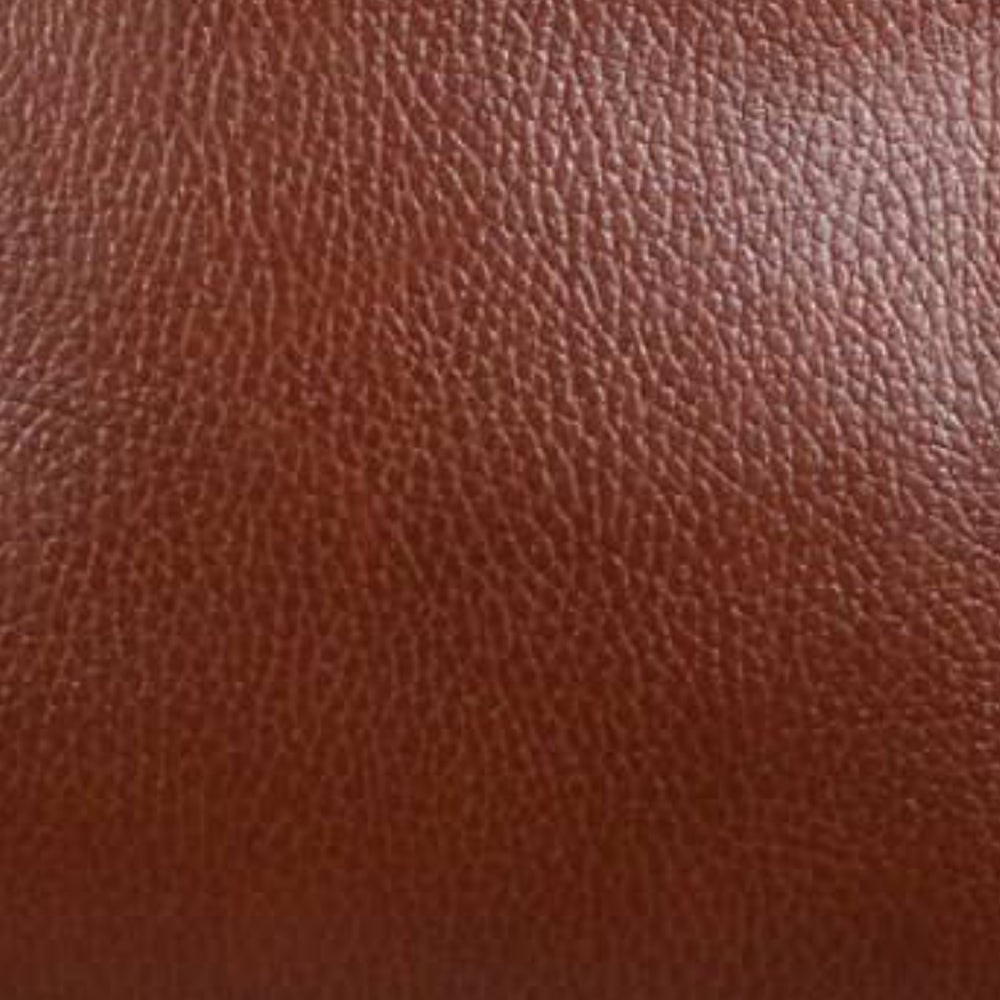
Hermès Fjord leather is characterised by its soft, supple feel and matte appearance. This leather variety has a coarser grain than, for example, Clemence leather, and veins are often visible as well. The natural structure of the leather is also due to the age of the animals: Fjord leather comes from older calves than, for example, Togo leather. One advantage of this leather is that it is not sensitive to rain. On the other hand, it is somewhat heavier than many of its alternatives. A trade-off that fans of the leather are happy to accept, especially since bags made from this leather also offer excellent shape retention. The leather is both elegant and durable, which is why many buyers have rightly chosen it in the past.


6. Hermès Ardennes Leather:
Hermès Ardennes Leather is considered one of the house’s most durable leathers. It is therefore well suited to bags that are likely to see frequent use. The leather has a certain thickness, which helps ensure the bags remain stable. Ardennes leather is no longer in production today, and Hermès Vache Liege leather is regarded as a beautiful alternative. The leather is fairly resistant to scratches and water marks, but it does tend to lose some of its colour intensity and fade over time.
C. Hermès Exotic Leathers:
In the case of a Hermès Bag made from an exotic leather, in addition to the age of the Bag, a further small stamp can also be used to identify the exact leather type. Unlike the date stamp on Kelly and Birkins, this stamp is not located under the strap, but usually next to the brand logo. We explain how to determine the exact age of a Hermès Bag in our Secondhandbags blog article Authenticity Check Hermès.
Hermès ostrich leather is probably the most durable and also the most widely used exotic leather from the French heritage house Hermès. Ostrich leather has a distinctive look of its own, and the dotted pattern on the leather reveals its origin without much doubt. Ostrich leather is considered shape-retaining, but it is also somewhat susceptible to water marks and grease; lighter colours often darken slightly over time. It looks particularly good in rich colours. Hermès sources its ostrich leather from South Africa. The leather bears no stamp for more precise identification.
Ostrich leather may well be the exotic leather most commonly used by Hermès, but from time to time other distinctive leathers also grace the house’s bags. In particular, the two crocodile variants Porosus crocodile and Niloticus crocodile as well as Mississippi alligator leather deserve mention. All three are characterised by an authentic texture that calfskin embossing can never truly replicate perfectly. These leather variants are offered in glossy and matte finishes, as well as in a wide range of colours. Glossy coated versions are called “Lisse”, while matte versions carry “Mat” in the full name used by Hermès.
Connoisseurs will recognise and distinguish the bags from the images, and the stamp inside can serve as a guide for identifying the leather precisely. In the case of Mississippi alligator leather, a small square “■” marks the leather. As the name suggests, the leather comes from the floodplain regions of the Mississippi Delta in the USA.
The use of Hermès Porosus Crocodile leather is indicated by the stamp of a small caret symbol “^”. Mississippi alligator leather has a finer grain and is therefore often used for smaller bags and other accessories. For its sourcing, Hermès uses saltwater farms near the Australian coast. In addition to its typical scale pattern, the leather has small pores and can therefore be distinguished quite well from other leather types.
Hermès Niloticus crocodile leather comes from regions along the Nile in Africa. Nile crocodiles are larger, which is why the grain of this leather is somewhat coarser than that of the other two. The leather is identified by two small dots next to the Hermès stamp. The less commonly used caiman leather is marked with a circle “O”.
Varanus niloticus lizard leather is also very well received. Hermès sources this leather from Asia, where it is prized for its equally natural but much finer texture. The leather is fairly susceptible to scratches. Due to the size of the animals, it is mostly used for small leather goods and accessories.


A list of the most common symbols/stamps to help identify the leather types as well as special orders:
| Mississippi Alligator |
▢ |
|
Crocodile Niloticus |
.. |
|
Crocodile Porosus |
^ |
|
Varanus Niloticus Lizard |
- |
|
Varanus Salvator Lizard |
= |
|
Custom order made to order |
Ʊ (Horseshoe) |
|
For the personal use of an Hermès artisan: |
★彡 (Shooting star) |
For completeness, it should be mentioned once again that further leather variants such as Hermès Coromandel Leather, Hermes Charmonix Leather, Hermès Barenia Leather or even Hermès Vache Hunter Leather have not yet been presented in this Secondhandbags blog article, in the interest of clarity. If you have any questions about another Hermès leather type, you can always ask our team!
In addition to the leather, Hermès bags are also known for their hardware. In the second part of this article, we take a closer look at it: Hermès Hardware.